


 Pусский
 中文
中文

When agricultural work takes place on soft soil, uneven farmland, narrow field paths, or other outdoor areas, ordinary transportation equipment may not always be the easiest choice. This is why we developed the 500KG Tension Track Traction Machine for Agricultural Work.
Our machine is designed around a simple idea: give agricultural operators a practical traction machine that can move steadily, provide useful ground contact, and handle suitable outdoor transportation tasks without making daily operation unnecessarily complicated.
The tracked running structure is one of the main features. Instead of relying on conventional wheels, the machine uses a track system to maintain continuous contact with the ground. This design can be useful for soft soil, uneven fields, farmland, landscaping areas, and other suitable outdoor working environments.
We see the 500KG Tension Track Traction Machine as more than a small piece of agricultural equipment. It can become part of a farm's daily transportation system. It may be used for moving agricultural materials, supporting field work, transporting equipment, assisting crop cultivation, or handling other suitable outdoor tasks.
Of course, no traction machine is suitable for every condition. Ground type, slope, working route, load, working frequency, and machine configuration all matter. We therefore prefer to understand the customer's actual application before confirming the final machine configuration.
In this product page, I will explain how we look at the machine, how the track traction system works, where it can be used, how we manufacture and inspect it, and what customers should consider before placing an order.
1. What Is a 500KG Tension Track Traction Machine?
The 500KG Tension Track Traction Machine for Agricultural Work is a tracked agricultural traction machine designed for outdoor movement and suitable transportation tasks. Its main purpose is to provide controlled movement and dependable traction in working environments where the ground may not always be smooth or firm.
The term “500KG” is part of the product name provided for this machine. It should not be interpreted as a complete technical specification unless the final technical documentation defines it that way. The exact load capacity, engine power, track dimensions, travel speed, and other paraMeters should always be confirmed with the final machine configuration.
This point is important when purchasing agricultural equipment. A product name can help identify a machine, but it cannot replace a technical specification sheet.
Our approach is straightforward. Before production, we confirm the customer's intended application and technical requirements. We then manufacture and inspect the machine according to the agreed configuration.
The machine can be considered for applications such as:
Agricultural transportation
Farm material handling
Crop cultivation support
Field preparation
Farm maintenance
Landscaping work
Outdoor material transportation
Forestry-related support work
Municipal outdoor maintenance
FAO explains that agricultural mechanization is not limited to one operation. Mechanized equipment can support land preparation, planting, crop management, harvesting, transport, storage, processing, and marketing. The basic idea is to select suitable equipment for the real working conditions and agricultural needs.
That is also how we think about this tracked traction machine.
We do not simply ask, “How much power does the machine have?” We also ask, “Where will it work? What does it need to move? How often will it work? What kind of ground will it travel on?”
Those questions usually give us a much better understanding of whether the machine is suitable.
2. How Does the Tension Track Traction System Work?
The basic working principle is not difficult to understand.
The machine's power system creates mechanical power. The transmission system transfers that power to the running mechanism. The track system then uses contact with the ground to create traction and move the machine.
Because the track forms a longer contact area with the ground, the machine can maintain continuous ground contact while moving. This can be useful on suitable soft or uneven surfaces.
Power System
The power unit provides the energy required for machine movement and other confirmed functions. The exact engine type and power should be determined according to the final technical configuration.
Transmission System
The transmission system transfers available power from the power unit to the traction system. This part is important because useful machine movement depends on how effectively power is transferred to the ground.
Track System
The track rotates around the drive and support components. The lower part of the track remains in contact with the ground while the machine moves. This continuous contact helps create traction.
Tension System
A tracked machine needs appropriate track tension for normal operation. The tension system helps keep the track positioned correctly around the running structure.
We pay attention to this area during assembly because track condition affects movement, wear, and the overall operating condition of the machine.
Steering and Movement
The operator controls the machine through its operating system. Depending on the final design, steering and movement control allow the operator to guide the traction machine along the required working route.
The operator should always work according to the machine's operating instructions and actual ground conditions.
| System | Main Function | What We Consider |
|---|---|---|
| Power system | Provides mechanical power | Application and required operating conditions |
| Transmission | Transfers power | Coordination with the traction system |
| Track system | Provides ground contact | Ground condition and running environment |
| Tension system | Maintains track position and tension | Assembly and operating condition |
| Control system | Controls machine movement | Operator requirements and working route |
Source basis: OECD tractor testing procedures evaluate tractor performance using standardized methods. Their testing framework includes drawbar performance and, for track-laying tractors, records track slip within the applicable test procedure. This supports the general engineering principle that traction performance should be evaluated as a complete machine function rather than by engine output alone.
3. Main Features of Our 500KG Tension Track Traction Machine
When we design or manufacture a traction machine, we focus on practical working conditions rather than adding complicated features just for appearance.
Stable Ground Contact
The tracked structure provides continuous contact between the running system and the ground. This can be useful for agricultural work on suitable soft soil and uneven outdoor surfaces.
Compared with a simple wheeled arrangement, a tracked system can distribute contact over a larger area. However, actual performance depends on soil condition, track design, machine configuration, operating method, and other factors.
Useful Traction
Traction is the heart of this type of machine.
A machine may have sufficient engine output, but if that power cannot be transferred effectively to the ground, it will not provide the movement the operator expects. The track system helps create a stable connection between the machine and the working surface.
Suitable for Agricultural Work
The machine can support different types of agricultural work depending on the confirmed configuration. It can be used for agricultural transportation, field support, material handling, crop cultivation activities, and other suitable outdoor tasks.
Adaptable Outdoor Use
Farm work rarely happens on a perfect floor. Outdoor working areas can change from one season to another. Soil may become softer after rain, field paths may become uneven, and transportation routes may be different from one farm to another.
This is one reason why tracked traction equipment can be useful in selected applications.
Simple Working Concept
We like equipment that operators can understand.
The machine has a clear working purpose: provide traction and controlled movement. The operator should be able to understand the controls, basic inspection points, and normal maintenance requirements without having to learn an unnecessarily complicated system.
Practical Maintenance
Like any agricultural machine, the tracked traction machine needs regular inspection and maintenance. Track condition, mechanical connections, lubrication points, transmission-related components, and other relevant parts should be checked according to the manufacturer's instructions.
Good maintenance is not a small issue. FAO also emphasizes that maintenance and suitable support systems are important parts of agricultural mechanization. A machine is useful only when it can remain available for the work it is intended to perform.
4. Why Use a Tracked Traction Machine for Agricultural Work?
Let us look at the practical side.
Agricultural transportation is often harder than it looks on paper. A farm may have paved roads near the main buildings, but the actual working area may be very different. The route can include soil, grass, mud, uneven field paths, or temporary roads.
This is where machine selection becomes important.
FAO notes that mechanization can reduce hard physical labor, improve the timeliness of agricultural operations, support transportation, and improve the use of resources. At the same time, machinery should be appropriate for local conditions rather than selected simply because it is large or powerful.
For our 500KG Tension Track Traction Machine for Agricultural Work, the tracked structure is particularly relevant when ground contact and traction are important considerations.
Soft Soil
Soft agricultural soil can be difficult for ordinary transportation equipment. The ground can change depending on weather, irrigation, cultivation, and seasonal conditions.
A track system provides a larger continuous contact area than a simple wheel contact point. This can help the machine maintain suitable movement in certain soft-ground applications.
Uneven Fields
Field roads are not always flat. Small changes in terrain can affect machine stability and traction.
A tracked traction machine can be considered when the working route contains uneven ground and the application requires controlled movement.
Farm Transportation
Agricultural materials often need to move from one working area to another. The machine can support this type of transportation according to its confirmed configuration and operating limits.
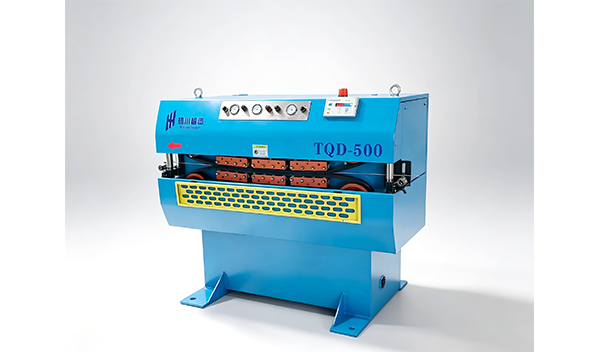
Landscaping
Landscaping projects can also involve soil, grass, uneven ground, and outdoor material movement. A tracked traction machine can be considered for suitable transportation and support work.
Forestry-Related Work
Some forestry and outdoor maintenance tasks take place away from paved roads. In these situations, traction and ground contact become important considerations.
Any forestry application should still be evaluated separately because terrain, slope, load, and local safety requirements can vary considerably.
Municipal Outdoor Maintenance
Municipal maintenance work can include parks, green areas, outdoor facilities, and other locations where equipment needs to move materials across non-standard surfaces.
The suitability of the machine depends on the actual task and local operating requirements.
| Application | Typical Work | Important Consideration |
|---|---|---|
| Farm transportation | Moving agricultural materials | Ground condition and confirmed load requirements |
| Field work | Moving equipment or supplies | Route and soil condition |
| Crop cultivation | Supporting routine agricultural work | Operating space and working frequency |
| Landscaping | Outdoor material movement | Surface condition and route |
| Forestry support | Outdoor transportation tasks | Terrain, slope, and local safety requirements |
| Municipal maintenance | Moving materials in outdoor areas | Site conditions and transportation requirements |
Source basis: FAO describes agricultural mechanization as covering activities from land preparation and planting to harvesting, transport, storage, and marketing. FAO also stresses the importance of machinery suited to local conditions.
5. Technical Advantages and How We Evaluate the Machine
When a customer asks us about a track traction machine for agricultural work, we usually do not start with a long list of technical terms.
We start with the actual work.
That sounds simple, but it saves time.
Ground Condition Comes First
We want to know whether the machine will work on farmland, soft soil, grassland, gravel, compacted ground, slopes, or another surface.
The same machine can behave differently under different ground conditions. This is why the application must be clear before final configuration.
Transportation Requirement
We also ask what needs to be moved. The type of material, transportation distance, route, working frequency, and handling method can all affect the machine requirement.
Load Requirement
Customers should confirm the required working load according to the final machine specification. The “500KG” in the product name should not be treated as a substitute for an official load-capacity specification unless the technical documentation confirms it.
Operating Frequency
Is the machine used once a week, every day, or for long working periods? This information helps us understand the expected operating conditions and maintenance needs.
Route and Working Space
Farm roads can be narrow. Some fields also have limited turning space. The working route should therefore be considered before ordering.
Maintenance and Service
We encourage customers to think about maintenance before purchase, not after a problem occurs.
Agricultural mechanization is not only about buying machinery. FAO's work on machinery supply chains also recognizes the roles of manufacturers, importers, dealers, repairers, service providers, and farmers. A useful equipment system needs support after the machine is delivered.
| Technical Point | Why It Matters | What We Recommend Confirming |
|---|---|---|
| Traction | Affects movement on the working surface | Ground type and application |
| Track system | Provides continuous ground contact | Track configuration and operating environment |
| Transmission | Transfers power to the running system | Final machine configuration |
| Load | Affects transportation work | Confirmed technical load requirement |
| Working route | Affects maneuvering requirements | Width, surface, distance, and turning space |
| Maintenance | Supports reliable long-term use | Inspection and service requirements |
For customers working with international specifications, it is also useful to understand relevant tractor standards. For example, ISO 500-1:2014 covers general specifications and safety requirements for certain rear-mounted PTO arrangements on agricultural tractors, and the standard was confirmed as current in 2024. Not every requirement in this standard applies to every machine or configuration, so the applicable standards should be checked against the final product design.
6. How We Manufacture and Inspect the 500KG Tension Track Traction Machine
For us, manufacturing quality starts before the first component is assembled.
Our company, Wuxi Shuochuan Electromechanical Equipment Manufacturing Co., Ltd., integrates R&D, manufacturing, and sales. We have obtained more than ten utility model patent certificates and have passed ISO 19001 quality management system certification according to the company information provided for this product page.
Our broader product range includes high-speed extruders, BV and BVVB extrusion Production Lines, photovoltaic wire and Cable Production lines, automotive Wire Production lines, electronic Wire Production Lines, network communication wire production lines, charging pile Cable Production Lines, take-up and unwinding equipment, Auxiliary Equipment, and related products.
Although these machines are used in different industries, the manufacturing principle is similar: technical requirements must be understood first, production must follow the confirmed requirements, and the finished equipment needs to be inspected before delivery.
Step 1: Application Discussion
We first discuss the customer's application. We want to understand the working environment, transportation task, machine configuration, destination, and other important requirements.
Step 2: Technical Confirmation
After the application is clear, the technical details are confirmed. This includes the machine model, configuration, operating requirements, and other items included in the final technical agreement.
Step 3: Production Planning
Once the order details are confirmed, we arrange the production schedule. The typical production and delivery cycle for our tractor products is generally 30–90 days, depending on the confirmed specifications, configuration, order details, and production schedule.
Step 4: Mechanical Assembly
The machine is assembled according to the confirmed configuration. We pay attention to structural connections, track-related components, transmission-related parts, operating mechanisms, and other important assemblies.
Step 5: Inspection and Testing
Before shipment, we inspect and test the machine according to the agreed technical requirements. We check the overall assembly condition and basic operation before the machine is prepared for delivery.
Step 6: Packaging
After inspection, we prepare the machine for transportation. Packaging is selected according to the structure of the tractor and shipping conditions.
Possible methods include protective film, steel frames, wooden cases, or other suitable protective materials.
Step 7: Shipment
Transportation can be arranged by sea, rail, or another suitable method depending on the destination, machine dimensions, route, and logistics conditions.
We believe this step-by-step process is much more useful than simply saying that a machine is “high quality.” A buyer needs to know what actually happens before the machine arrives at the farm.
7. Production Cycle, Payment, Transportation and Packaging
Buying an agricultural traction machine is not only a technical decision. It is also a project involving production, payment, logistics, and delivery.
Production Cycle
Our typical production and delivery period is 30–90 days after the technical specifications, machine configuration, and order details are confirmed.
This is a typical range, not a fixed promise for every order. The actual schedule can change according to the final configuration, order quantity, production planning, component availability, and other project conditions.
Payment Terms
Payment terms are arranged according to the sales contract. A common arrangement is a deposit followed by the balance before shipment.
Other mutually agreed payment arrangements can also be discussed depending on the project.
Before signing the order, we recommend confirming the product model, technical configuration, payment schedule, production time, inspection requirements, packaging, shipping method, and documentation.
Transportation
For international orders, we can arrange transportation by sea, rail, or another suitable method.
The choice depends on the destination country, machine dimensions, shipping route, delivery schedule, and logistics conditions.
Packaging
Packaging is selected according to the machine structure and shipping environment.
We may use:
Protective film
Steel frames
Wooden cases
Other suitable protective materials
The goal is straightforward: reduce the risk of moisture, dust, impact, and unwanted movement during transportation.
| Project Item | Typical Arrangement | Final Confirmation |
|---|---|---|
| Production | 30–90 days | After technical and order details are confirmed |
| Payment | Deposit + balance before shipment | According to the signed contract |
| Transportation | Sea, rail, or suitable method | Based on destination and machine dimensions |
| Packaging | Protective film, steel frame, wooden case, etc. | Based on shipping conditions |
| Pre-shipment | Assembly, inspection and testing | According to agreed requirements |
We prefer to confirm these details early. It makes the entire purchasing process easier for both sides.
8. Why Choose Us for Your Agricultural Traction Machine?
We know that customers have many equipment suppliers to choose from. So we do not want to make the decision sound complicated.
Our focus is on manufacturing, technical communication, inspection, and honest service.
R&D and Manufacturing in One Company
Wuxi Shuochuan Electromechanical Equipment Manufacturing Co., Ltd. integrates research and development, manufacturing, and sales. This structure helps us connect technical communication with actual production.
We have also obtained more than ten utility model patent certificates. These patents reflect our continued investment in equipment development and practical engineering improvements.
Quality Management
According to the company information supplied for this product page, we have passed ISO 19001 quality management system certification. Our quality management approach covers the process from R&D to production.
For us, quality is not just about making the machine look good when it leaves the factory. It is about making sure the Production Process follows the agreed requirements and that the finished machine is inspected before shipment.
Experience Across Industrial Equipment
Our main products include extrusion equipment, automated wire and cable production lines, take-up and unwinding equipment, and related auxiliary products.
These machines require careful attention to mechanical structure, component coordination, production processes, and customer-specific requirements. This experience supports the way we approach customized equipment projects.
We Prefer Clear Communication
We would rather ask a few more questions before production than discover a problem after shipment.
For an agricultural traction machine, those questions can be very practical:
Where will the machine work?
What type of ground will it travel on?
What needs to be transported?
How frequently will it work?
What is the working route like?
Does it need to work with other equipment?
Where will the machine be delivered?
What transportation method is preferred?
Once these points are clear, we can discuss the machine configuration more effectively.
Our Manufacturing Philosophy
Our corporate spirit is “Quality First, Continuous Improvement, and Honest Service.”
We try to keep that philosophy practical. Quality means following the agreed requirements. Continuous improvement means learning from actual production and customer applications. Honest service means communicating clearly about what we can provide and what needs further technical confirmation.
Frequently Asked Questions About the 500KG Tension Track Traction Machine
What is the 500KG Tension Track Traction Machine used for?
The machine is designed for agricultural work and suitable outdoor applications requiring controlled movement and traction. Typical applications may include farm transportation, field support, crop cultivation support, landscaping, material handling, and other outdoor operations.
What does “500KG” mean in the product name?
“500KG” is part of the product name provided for this machine. It should not automatically be treated as a complete technical load-capacity specification. The exact technical meaning and applicable capacity should be confirmed in the final technical documentation.
Why use a tracked traction machine?
The track system provides continuous contact with the ground and can be useful on suitable soft or uneven surfaces. It can help provide stable traction in applications where ground conditions are an important consideration.
Can it work on muddy farmland?
It may be considered for suitable soft-soil or muddy Agricultural Applications, but actual suitability depends on the degree of moisture, soil condition, slope, load, route, and final machine configuration. We recommend technical confirmation before use in particularly difficult terrain.
Can the machine be used for agricultural transportation?
Yes. Agricultural transportation is one of the main applications we consider for this type of traction machine. The actual transportation task and working load should be confirmed according to the final machine specification.
What is the production time?
Our typical production and delivery cycle is 30–90 days after the technical specifications, configuration, and order details are confirmed. The exact schedule depends on the final project requirements and production plan.
How do you inspect the machine before shipment?
We assemble, inspect, and test the machine according to the agreed technical requirements. We check the overall condition and basic operation before preparing the machine for shipment.
How can the machine be transported internationally?
Transportation can be arranged by sea, rail, or another suitable method depending on the destination, machine dimensions, shipping route, and delivery requirements.
How do you package the traction machine?
We can use protective film, steel frames, wooden cases, or other suitable packaging methods. The selected method depends on the machine structure and transportation conditions.
What payment terms are available?
Payment terms are arranged according to the sales contract. A deposit and balance before shipment is a common arrangement, while other mutually agreed terms may be discussed for specific projects.
Can the machine configuration be customized?
The final configuration can be discussed according to the application, working conditions, transportation requirements, and technical specifications. We recommend confirming all important requirements before production begins.
What information should I provide when requesting a quotation?
Please provide the intended application, ground conditions, transportation task, expected working frequency, destination, required configuration, and any supporting equipment or attachments. This information helps us understand the project more clearly and prepare a more suitable technical proposal.
Final Thoughts: Choosing the Right Traction Machine for Real Farm Work
The 500KG Tension Track Traction Machine for Agricultural Work is designed around a very practical need: moving and supporting agricultural work in outdoor environments where stable traction matters.
Its tracked structure provides continuous ground contact and can be useful on suitable soft soil, uneven farmland, field paths, landscaping areas, and other outdoor surfaces. It can support agricultural transportation, material handling, crop cultivation support, field maintenance, and related work according to the final configuration.
But we also want to make one thing clear: a tracked machine is not automatically the right answer for every farm.
The right machine depends on the actual work.
Before ordering, we recommend looking at the ground, route, load, working frequency, transportation distance, maintenance conditions, and supporting equipment. These details are more useful than simply comparing product names.
For international buyers, standards and local regulations should also be checked according to the final machine configuration and destination market. OECD tractor testing provides harmonized procedures for evaluating tractor performance and safety-related characteristics, while ISO standards cover specific tractor systems and safety requirements. These standards are useful references, but the applicable requirements depend on the actual machine design and market.
At Wuxi Shuochuan, we prefer a simple working process. We understand the application, confirm the technical requirements, arrange production, inspect the machine, prepare the packaging, and organize delivery.
Our typical production and delivery cycle is 30–90 days after the technical specifications and order details are confirmed. Payment terms, transportation methods, packaging requirements, and inspection arrangements are confirmed according to the contract.
If you are looking for a 500KG Tension Track Traction Machine for Agricultural Work, we welcome you to share your actual working conditions with us. Tell us what you need to move, where the machine will work, what the ground is like, and where the machine needs to be delivered.
From there, we can discuss the suitable configuration and technical requirements together.
Reference Sources
Food and Agriculture Organization of the United Nations (FAO), Sustainable Agricultural Mechanization – agricultural mechanization, transportation, productivity, resource use, and equipment selection.
Organisation for Economic Co-operation and Development (OECD), Tractor Codes – standardized tractor performance and safety testing, including tracklaying tractor provisions.
International Organization for Standardization (ISO), ISO 500-1:2014 – agricultural tractor PTO specifications and safety requirements.
FAO, Machinery Supply Chain – the role of manufacturers, importers, service providers, repairers, and farmers in agricultural mechanization.
Technical note: Exact specifications such as engine power, maximum load, track dimensions, travel speed, overall dimensions, fuel consumption, turning radius, and other performance data should be confirmed in the final technical documentation. This page describes the intended application and general product characteristics and does not replace the final technical specification or sales agreement.



 WhatsApp
 Phone
Phone