


 Pусский
 中文
中文

In powder processing, moving powder from one stage to another sounds simple. In real production, it is often not that simple. Powder may be fine, dry, sticky, easy to scatter, or sensitive to contamination. The way it is transferred can affect production stability, cleaning work, material loss, and the overall operation of the production line.
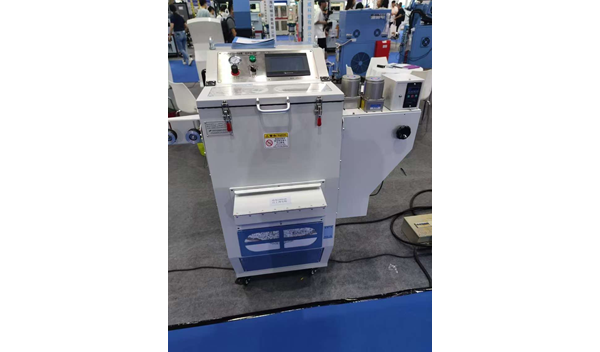
At Wuxi Shuochuan Electromechanical Equipment Manufacturing Co., Ltd., we develop and manufacture industrial automation equipment with a practical approach. Our Electrostatic Powder Passing Machine for Powder Processing is designed for controlled powder transfer and material handling in suitable industrial applications. We focus on the actual working conditions rather than simply providing a standard machine and asking the customer to adapt the Production Process around it.
The machine can be configured according to powder characteristics, production requirements, equipment layout, material handling method, and the conditions of the customer's production line. Depending on the application, it can work as an independent powder handling unit or as part of a larger processing system.
We also understand that an industrial machine is more than the equipment itself. Customers need to know how it is manufactured, how it will be inspected, how long production may take, how it will be packed, and how it will reach the destination safely. That is why we discuss the complete project before production begins.
1. What Is an Electrostatic Powder Passing Machine?
An Electrostatic Powder Passing Machine is industrial equipment used to help transfer or pass powder material between different stages of a production process. The exact working configuration depends on the powder, production line, required transfer method, and customer requirements.
The word “electrostatic” is important because dry powder and many fine materials can develop static charges during handling, friction, mixing, or transfer. This can influence how powder behaves inside equipment. For this reason, powder handling should not be treated like ordinary liquid or solid material handling.
Our approach is to first understand the material and the production process. We then consider the machine structure, material-contact areas, connection points, installation conditions, operating requirements, and other relevant factors before confirming the equipment configuration.
For a customer looking for a powder passing machine for industrial production, the main objective is normally straightforward: move material in a controlled and repeatable way while keeping the production process practical.
The machine can be considered for applications where powder needs to move between equipment, production stations, storage areas, processing stages, or other suitable locations. The final configuration should always be selected according to the actual powder and process.
Typical powder handling considerations
| Consideration | Why It Matters | What We Review |
|---|---|---|
| Powder characteristics | Different powders behave differently during transfer | Particle condition, flow behavior, moisture sensitivity, and other material information |
| Production process | The machine must fit the complete process | Upstream and downstream equipment, transfer stages, and operating sequence |
| Equipment layout | Installation space affects machine configuration | Available space, connection position, access, and maintenance requirements |
| Material contact | Contact surfaces may affect cleaning and product handling | Material compatibility, cleaning requirements, and intended application |
Source note: The table summarizes practical equipment-design considerations based on general powder-handling practice and official guidance from OSHA and FDA for relevant powder-processing environments.
2. How Does the Powder Passing Process Work?
The working principle of a powder passing system depends on the specific machine configuration. We do not believe that one transfer method is suitable for every powder. Before designing a machine, we look at where the powder comes from, where it needs to go, how often the transfer happens, and what happens before and after the transfer stage.
A typical powder handling process starts with material entering the feeding or receiving section. The machine then controls the movement of the powder through the designed transfer path. The powder reaches the next processing or storage stage, where the production process continues.
The important point is controlled movement. Powder should not simply be pushed from one place to another without considering dust generation, material loss, cleaning, static charge, equipment connections, and operating conditions.
For an Electrostatic Powder Passing Machine for Powder Processing, the design may also need to consider electrostatic behavior. Dry powders can accumulate static electricity during friction and transfer. OSHA guidance specifically notes that dry powders can build static electricity charges during transfer and mixing operations and recommends appropriate precautions such as grounding and bonding where applicable.
This does not mean every powder application has the same safety requirements. The powder itself, process conditions, facility classification, local regulations, and risk assessment all matter. We therefore recommend that customers provide material safety information and process details before final equipment configuration.
A practical process flow
Step 1 – Material enters the system: The powder is introduced into the appropriate receiving or feeding section.
Step 2 – Controlled transfer: The machine moves the powder through the designed passage or transfer structure according to the agreed process requirements.
Step 3 – Connection with the next stage: The powder reaches the downstream equipment, container, production station, or processing stage.
Step 4 – Continuous production: The transfer equipment works together with the surrounding production equipment to maintain the intended material flow.
Step 5 – Cleaning and inspection: After production or during scheduled maintenance, operators can inspect relevant areas and clean them according to the material and application requirements.
This simple process becomes much more useful when the machine is designed around the real production environment. That is where our engineering discussion with the customer becomes important.
3. Main Features of Our Powder Passing Machine
We keep the design practical. An industrial powder machine does not need unnecessary complexity if a simpler structure can meet the production requirement. At the same time, powder handling equipment must be designed carefully because small problems such as leakage, material buildup, poor access, or unsuitable connections can become daily production problems.
Practical powder transfer
The main purpose of the machine is controlled powder movement. The transfer structure is selected according to the customer's process and material requirements rather than using the same arrangement for every application.
Flexible configuration
Powder production lines are not all arranged in the same way. Some customers need compact equipment, while others need the machine to connect with existing processing equipment. We can discuss the layout and configuration based on the actual installation conditions.
Suitable material handling structure
Different powders can have different flow behavior. Some materials move easily, while others may require more attention to transfer conditions. The equipment structure should therefore be considered together with the powder characteristics.
Convenient production integration
The machine can be used as part of a complete production line. This is particularly useful when powder needs to move between multiple processing stages and the customer wants the material handling process to be more organized.
Attention to maintenance
We consider maintenance access during equipment planning. Industrial equipment will eventually need inspection, cleaning, adjustment, or component replacement. A machine that works well but is difficult to maintain is not a good long-term solution.
Industrial-oriented construction
Our equipment is developed for industrial production rather than occasional laboratory use. The final structure is discussed according to operating conditions, production requirements, equipment arrangement, and customer expectations.
4. Technical Advantages and Powder Handling Safety
For powder equipment, technical performance should not be separated from safe operation. A machine may appear simple from the outside, but powder behavior can be affected by particle size, moisture, friction, static electricity, temperature, material properties, and the surrounding environment.
One area we pay attention to is dust control. OSHA explains that finely divided combustible materials can become an explosion hazard when dust is suspended in air under the right conditions. OSHA also identifies material conveying, mixing, sifting, screening, and other dry-material operations as activities that can create combustible dust concerns.
That is why customers should not select equipment only by looking at dimensions or transfer capacity. The material safety data and actual application conditions are equally important.
| Powder Handling Factor | Potential Production Concern | Recommended Design Discussion |
|---|---|---|
| Fine powder | Dust may be easier to disperse | Review containment, transfer path, cleaning, and ventilation conditions |
| Dry powder | Static charge may develop during handling | Review grounding, bonding, and applicable electrical requirements |
| Sticky powder | Material may build up inside equipment | Review contact surfaces, transfer path, cleaning, and maintenance access |
| Combustible powder | Dust clouds may create additional fire or explosion concerns | Conduct a suitable process risk assessment and follow applicable local requirements |
| Pharmaceutical or sensitive material | Contamination may affect product quality | Review material-contact surfaces, cleaning, sanitation, and process controls |
Source: OSHA combustible dust guidance and FDA equipment guidance for pharmaceutical manufacturing.
For pharmaceutical applications, FDA guidance states that equipment should be appropriately designed and sized for its intended use and should facilitate cleaning and maintenance. It also notes that product-contact surfaces should not alter the quality of the material beyond established requirements.
This is a useful principle even outside pharmaceutical production: the equipment should match the material and the process instead of forcing every customer into the same standard arrangement.
Comparison of different powder transfer approaches
| Transfer Approach | Typical Advantage | Important Consideration |
|---|---|---|
| Mechanical powder transfer | Can provide a straightforward material movement method | Mechanical contact, wear, cleaning, and powder behavior must be considered |
| Pneumatic powder transfer | Can be useful for suitable continuous or enclosed transfer systems | Airflow, dust control, powder characteristics, and system design are important |
| Electrostatic-related powder handling | Can be considered where electrostatic behavior is part of the process | Static control, grounding, electrical classification, and material properties require careful review |
| Manual powder handling | Simple for low-volume or occasional operations | More operator involvement and potentially less process consistency |
Source: This comparison is a practical engineering summary. Actual equipment selection depends on the powder, process, production scale, facility conditions, and applicable safety requirements. OSHA guidance should be consulted for combustible dust and static-related hazards.
5. Applications and Industries
The Electrostatic Powder Passing Machine for Powder Processing can be considered for many industries where powder needs to be transferred, passed, or handled as part of a production process. The exact machine configuration should always be matched with the material and process.
Powder coating
Powder coating production and related coating processes involve dry powder materials that need controlled handling. The machine can be integrated into a suitable powder processing system according to the customer's production arrangement.
Chemical industry
Chemical manufacturing often involves powders, additives, pigments, fillers, and other dry materials. Controlled transfer can help connect different production stages and improve material handling.
Pharmaceutical production
Pharmaceutical powder handling requires additional attention to cleanliness, material compatibility, contamination control, and maintenance. For such applications, the equipment should be specified according to the appliCable Production requirements and regulatory environment.
Food processing
Food plants may handle flour, starch, sugar, seasoning, powdered ingredients, and other dry materials. Material-contact requirements, cleaning procedures, dust control, and hygiene conditions should be considered when selecting equipment.
Plastics and polymer processing
Plastic additives, powders, fillers, and related materials may need to be transferred between storage and processing equipment. The machine can be designed around the customer's existing production line.
Building materials
Powdered building materials and mineral-based materials often require organized material transfer. Depending on the material properties, the equipment may be integrated into a larger processing or batching system.
Metallurgy and industrial materials
Metal powders and other industrial powders can require specialized handling because material properties and dust behavior can differ considerably. Before equipment selection, the customer should provide sufficient information about the material and operating environment.
Other industrial powder applications
Beyond these industries, powder handling equipment can also be considered for laboratories, material processing plants, chemical plants, industrial coating systems, and other production environments. The key is not simply whether the material is called “powder.” We need to understand how that powder behaves during actual production.
6. Manufacturing, Inspection, Delivery and Service
One reason customers choose a direct manufacturer is that they want communication to be simple. When equipment is customized, small details matter. A difference in connection position, installation space, material requirement, or production sequence can affect the final design.
At Wuxi Shuochuan, we integrate research and development, manufacturing, and sales. The company has obtained more than ten utility model patent certificates and has developed a range of automated industrial equipment. Our working principle is simple: understand the application first, confirm the technical requirements, then manufacture the equipment.
Production process
1. Requirement discussion
We first collect information about the powder, production process, required transfer method, equipment location, surrounding machines, operating conditions, and customer expectations.
2. Technical confirmation
Before production, technical specifications and order details are confirmed. If the customer has drawings, process layouts, material information, or installation requirements, these can be reviewed as part of the technical discussion.
3. Equipment manufacturing
After the configuration is confirmed, manufacturing begins according to the agreed requirements. The production process includes equipment fabrication, component installation, assembly, and relevant inspection work.
4. Assembly and testing
Before shipment, the machine is assembled, inspected, and tested according to the agreed technical requirements. We use this stage to identify problems before the equipment leaves the factory.
5. Final preparation
After inspection, the equipment is prepared for transportation. Protective measures are selected according to equipment structure, destination, transportation method, and customer requirements.
Production and delivery schedule
For this type of industrial equipment, the typical production and delivery cycle is around 30–90 days after technical specifications and order details have been confirmed. The actual schedule can vary according to equipment configuration, customization level, production workload, component availability, inspection requirements, and transportation arrangements.
We prefer to confirm the technical details before giving the customer a final production schedule. This is more realistic than promising a fixed delivery date before the machine configuration is known.
Payment terms
Payment terms can be arranged according to the contract and project requirements. A common arrangement is a deposit followed by the balance before shipment, although other mutually agreed payment arrangements can also be discussed.
Transportation
We can arrange sea transportation, rail transportation, or other suitable logistics solutions according to the destination, equipment size, weight, delivery requirements, and customer preference.
Packaging
Packaging is selected according to the machine structure and transportation conditions. Common protection may include protective film, steel frames, wooden cases, or other suitable materials. The purpose is to reduce the risk of moisture, dust, impact, scratches, and unwanted movement during transportation.
| Project Stage | Our Main Work | Customer Information That Helps |
|---|---|---|
| Initial discussion | Understand the application and powder handling process | Material information, production process, expected use |
| Technical confirmation | Review configuration and equipment integration | Drawings, layout, process requirements, operating conditions |
| Manufacturing | Fabrication, assembly, and production inspection | Confirmed technical specifications |
| Testing | Inspection and testing according to agreed requirements | Confirmed acceptance requirements |
| Shipment | Packaging and transportation preparation | Destination, shipping preference, delivery requirements |
7. Why Choose Wuxi Shuochuan for Powder Processing Equipment?
We know that buying industrial equipment is not like buying an ordinary product from a catalog. The machine becomes part of the customer's production process. If the equipment does not fit the process, even a technically well-built machine can create problems after installation.
That is why we focus on communication before manufacturing.
Wuxi Shuochuan Electromechanical Equipment Manufacturing Co., Ltd. is an innovative technology enterprise integrating R&D, manufacturing, and sales. We have obtained more than ten utility model patent certificates and have developed automated equipment with an emphasis on efficiency, energy-conscious operation, practical usability, and human-machine interaction.
Our company philosophy is “Quality First, Continuous Improvement, and Honest Service.” We also pursue the goal of creating reliable products and supporting customer satisfaction through practical engineering work.
We focus on application, not just equipment
When a customer asks for a powder passing machine, we do not want to discuss only the machine itself. We want to know what the machine is expected to do.
What powder are you processing? Where does it come from? Where does it need to go? Is the process continuous or intermittent? What equipment is already installed? Is cleaning frequent? Are there special environmental or safety requirements?
These questions may sound basic, but they can make a major difference in the final equipment configuration.
We support customized equipment communication
Different factories have different layouts. Some customers need new equipment for a complete production line. Others need one machine to connect with existing equipment. We can discuss the structure and configuration based on the customer's actual requirements.
We inspect before shipment
Before delivery, the equipment is assembled, inspected, and tested according to the agreed technical requirements. This provides an opportunity to identify installation or operating issues before the machine reaches the customer's site.
We consider the complete delivery process
Our responsibility does not stop when manufacturing is finished. Equipment must also be prepared for transportation. We therefore consider packaging, protection, loading, and shipping requirements as part of the delivery process.
Our company also states that it has passed ISO 19001 quality management system certification, according to the company information provided for this product page. Any customer requiring certification documents or detailed quality-system evidence can request the relevant documentation during the purchasing process.
8. Frequently Asked Questions About Electrostatic Powder Passing Machines
What is an Electrostatic Powder Passing Machine used for?
It is designed for controlled powder transfer and handling in suitable industrial production processes. The machine can be used independently or integrated with other equipment depending on the production line.
Which industries can use a Powder Passing Machine?
Potential applications include powder coating, chemical processing, pharmaceutical production, food processing, plastics, building materials, metallurgy, and other industries that handle powder materials.
Can the machine be customized?
Yes. The configuration can be discussed according to powder characteristics, production requirements, equipment layout, connection requirements, operating conditions, and other project details.
Can it be integrated into an existing production line?
In suitable applications, yes. We can review the existing production layout and discuss how the powder passing equipment can connect with upstream and downstream equipment.
What information should I provide before requesting a quotation?
Useful information includes the powder type, material characteristics, production process, required transfer method, expected operating conditions, equipment layout, available installation space, connection requirements, and any applicable safety or regulatory requirements.
Is the machine suitable for combustible powder?
Some powders may present fire or explosion hazards when finely divided and suspended in air. Suitability cannot be determined from the word “powder” alone. Customers should provide material safety information and relevant process details so that the application can be properly reviewed. Applicable local safety requirements must also be followed.
How long does production take?
After technical specifications and order details are confirmed, the typical production and delivery cycle is around 30–90 days. The actual schedule depends on the equipment configuration, customization requirements, inspection process, and logistics arrangement.
How is the machine tested before shipment?
The machine is assembled, inspected, and tested according to the agreed technical requirements before shipment. Specific acceptance items depend on the confirmed project specifications.
What payment terms are available?
Payment terms are arranged according to the contract. A common arrangement is a deposit and balance before shipment, while other mutually agreed arrangements can be discussed.
How is the equipment transported?
We can arrange sea freight, rail transportation, or other suitable transportation methods according to the destination, equipment dimensions, shipping conditions, and customer requirements.
How is the machine packaged?
Depending on the equipment structure and transportation method, packaging may include protective film, steel frames, wooden cases, or other suitable protective materials. The packaging is intended to reduce moisture, dust, impact, scratches, and movement during transportation.
Final Thoughts
A good powder handling machine should do more than simply move material. It should fit the production process, work with surrounding equipment, be practical to maintain, and be designed with the characteristics of the powder in mind.
Our Electrostatic Powder Passing Machine for Powder Processing is developed for customers who need a practical solution for industrial powder transfer and handling. We can discuss the equipment configuration according to the actual material, process, production requirements, and installation conditions.
For customers looking for an Electrostatic Powder Passing Machine, Powder Passing Machine, powder processing equipment, or industrial powder transfer machine, we believe the first step should be a clear technical discussion rather than choosing a machine only from a product name.
Once the technical requirements are confirmed, we can proceed with manufacturing, inspection, testing, packaging, and delivery according to the agreed project arrangement. That is how we prefer to work: understand the process, build the equipment carefully, check it before shipment, and provide straightforward service throughout the project.
Technical Reference Sources
Occupational Safety and Health Administration (OSHA) – Combustible Dust: An Explosion Hazard.
Occupational Safety and Health Administration (OSHA) – Hazard Communication Guidance for Combustible Dusts.
U.S. Food and Drug Administration (FDA) – Current Good Manufacturing Practice Requirements for Equipment.
International Organization for Standardization (ISO) – ISO 9001 Quality Management Systems.



 WhatsApp
 Phone
Phone