


 Pусский
 中文
中文

When agricultural work becomes more demanding, the machine used for the job needs to be practical, stable, and easy to operate. That is exactly how we look at our Spray-type Dual-Wheel Traction Machine for Agricultural Applications. We do not treat a tractor as a machine with a long list of specifications. We look at the real work it needs to do in the field.
Our wheeled traction machines are designed for agricultural and outdoor applications that require flexible movement, dependable traction, and convenient operation. The spray-type configuration adds another practical direction for agricultural work where spraying-related operations are required. The exact spraying system, however, depends on the final machine configuration and the technical agreement.
At Wuxi Shuochuan Electromechanical Equipment Manufacturing Co., Ltd., we focus on equipment development, manufacturing, inspection, and customer service. Our company integrates R&D, manufacturing, and sales. We have obtained more than ten utility model patent certificates and have passed ISO 19001 quality management system certification according to our company information.
For us, a good machine is not simply one that looks strong in a product photo. It needs to work properly after delivery, match the customer's working conditions, and remain practical during daily use. That is why we pay attention to machine structure, traction, movement, assembly, inspection, transportation, and after-sales communication.
1. What Is a Spray-type Dual-Wheel Traction Machine?
A Spray-type Dual-Wheel Traction Machine is a wheeled agricultural machine designed around two main needs: traction and practical field operation. The dual-wheel arrangement is intended to provide a stable contact structure while the machine moves through its working area. The spray-type configuration can be used where spraying is part of the planned agricultural operation.
It is important to understand that the phrase “spray-type” does not mean every machine has exactly the same spraying equipment. Different customers may have different requirements. Tank size, pump arrangement, spray width, nozzle configuration, control method, and other spraying paraMeters should be confirmed according to the final machine design.
We therefore recommend treating the product name as the starting point of a technical discussion rather than assuming that every machine has identical specifications.
The traction side of the machine is easier to understand. The wheels transfer driving force to the ground, allowing the machine to move while carrying out agricultural or outdoor tasks. The operator controls the direction and movement of the machine according to the working environment.
In farming, this basic ability matters a lot. A machine may need to move between fields, approach a working area, transport materials, support crop management, or perform outdoor maintenance. A practical wheeled design can make these daily movements easier.
FAO describes agricultural mechanization as the use of tools and powered equipment to reduce hard labor, improve the timeliness of agricultural operations, and make better use of resources. Tractors are one of the most familiar examples of motorized agricultural equipment.
That idea is also behind our approach. We do not build a machine only for a catalog. We build it around the type of work it is expected to perform.
2. How the Dual-Wheel Traction and Spraying System Work
The working principle of the machine can be understood in several simple steps. First, the power system provides the force needed for movement. The transmission and driving system transfer that force to the wheels. The wheels then create traction with the ground, allowing the machine to move forward or change direction under operator control.
The dual-wheel structure is important because the wheels form the direct connection between the machine and the working surface. Depending on the final design, working conditions, and machine configuration, the arrangement can help provide stable movement during agricultural operations.
The second part is the spraying function. A spray-type machine normally combines the traction platform with a spraying arrangement. The spraying system can include components such as a liquid storage unit, pump, pipes, control components, and spray outlets. However, we do not specify these components in a fixed way unless they are included in the confirmed technical design.
This approach is important for B2B equipment. A farm in one region may have completely different requirements from an agricultural contractor in another region. Crop type, field size, terrain, working speed, liquid type, spraying method, and local operating rules can all affect the final configuration.
We therefore prefer to confirm the working conditions before deciding the final machine arrangement.
| Working Stage | Main Purpose | What We Focus On |
|---|---|---|
| Power Generation | Provide driving force | Stable operation and suitable configuration |
| Power Transmission | Transfer power to the driving system | Reliable mechanical connection |
| Wheel Traction | Move the machine across the working area | Movement, traction, and maneuverability |
| Spraying Operation | Support planned agricultural spraying work | Spray system configuration according to requirements |
| Operator Control | Control direction and working movement | Practical operation and working visibility |
Source: General equipment description based on the supplied product information. Agricultural mechanization background: FAO Sustainable Agricultural Mechanization.
From an engineering point of view, this separation also makes troubleshooting easier. If the machine has a movement problem, we can check the traction and driving system. If there is a spraying problem, we can focus on the spraying assembly and related components. This sounds simple, but simple troubleshooting is valuable when equipment is working in the field.
3. Main Features of Our Spray-type Dual-Wheel Traction Machine
Flexible Wheeled Operation
Our wheeled traction machines are designed for flexible movement. Compared with equipment intended for only one fixed working location, a wheeled machine can move between different operating areas more conveniently.
This is useful for farms, agricultural service providers, landscaping operations, municipal maintenance, and other outdoor applications. The exact maneuverability of each model depends on its configuration and working environment.
Dual-Wheel Traction Structure
The dual-wheel arrangement is one of the defining features of this machine. We focus on the relationship between wheel arrangement, machine structure, working load, and operating conditions when preparing a configuration.
Traction is not simply about making a machine powerful. If the working surface, wheel arrangement, machine weight, and operating conditions are not properly matched, extra power alone does not solve the problem.
OECD tractor testing also separates different aspects of tractor performance, including PTO power, drawbar power, fuel consumption, hydraulic output, and lifting capacity. This shows why agricultural machine performance should be considered as a complete system rather than judged from one number alone.
Spray-type Configuration
The spray-type configuration gives the machine another practical application direction. Where spraying is part of crop management or outdoor maintenance, the machine can be configured around the required spraying system.
We do not use one fixed spraying specification for every customer. Instead, we discuss the required application and then confirm the appropriate system during technical communication.
Practical Daily Operation
We place strong emphasis on practical operation. Agricultural equipment often works for long periods and may be used by operators with different levels of technical experience. Controls, access, visibility, maintenance points, and daily inspection all affect the real experience of using a machine.
That is why we prefer simple and understandable equipment design wherever the application allows it.
Suitable for Different Outdoor Applications
Although the main application is agricultural, a wheeled traction machine can also be considered for other suitable outdoor operations. Depending on configuration, examples include field preparation, agricultural transportation, landscaping, crop management, and municipal maintenance.
4. Technical Advantages: What Matters in Real Agricultural Work?
When customers compare agricultural machines, they often start with engine power or another single technical number. We understand why. Numbers are easy to compare.
But real field performance is more complicated.
A useful agricultural machine needs suitable traction, stable movement, manageable controls, appropriate configuration, and reliable support. The machine also needs to fit the local working conditions. A technically powerful machine may not be the right machine if its configuration does not match the field.
FAO points out that agricultural mechanization can improve the timeliness of operations, reduce hard labor, and improve resource use. At the same time, FAO also emphasizes that machinery should be suitable for local conditions because large or unsuitable equipment can create practical and environmental problems.
| Factor | Why It Matters | Our Practical Approach |
|---|---|---|
| Traction | Helps transfer driving force to the working surface | Consider wheel arrangement and operating conditions |
| Maneuverability | Important when moving between working areas | Use a practical wheeled structure |
| Spraying Configuration | Affects how spraying work is performed | Confirm system details according to the application |
| Operator Control | Affects daily working efficiency | Focus on practical and understandable operation |
| Maintenance | Influences machine availability | Inspect and maintain according to the agreed technical requirements |
| Transportability | Important for international and long-distance delivery | Choose suitable packaging and transport methods |
Source: Product configuration principles based on the supplied machine information; general mechanization considerations based on FAO guidance.
Another useful point comes from OECD tractor testing. Drawbar power testing is used to examine how a tractor transfers engine power into pulling force. OECD guidance for Wheeled Tractors also takes wheel slip into account during testing. The test procedure uses a controlled track so that results can be compared under defined conditions.
We mention this because it illustrates a basic engineering fact: traction is not the same thing as engine power. What matters is how the available power is actually transferred to the working surface.
5. Agricultural and Outdoor Applications
Crop Cultivation
Crop cultivation involves many different operations. Depending on the machine configuration, a Spray-type Dual-Wheel Traction Machine can support suitable crop management and field operations where mobile traction equipment is needed.
For spraying-related applications, the final spraying arrangement should always be selected according to the crop, liquid, application method, local requirements, and technical agreement.
Field Preparation
Field preparation is another area where traction machines can be useful. Equipment needs to move around the field and support different preparation tasks. A wheeled design gives the operator the flexibility to move between working locations.
Agricultural Transportation
Farm work is not only about cultivation. Materials, tools, crops, and other goods often need to be moved around the farm. A practical traction machine can support suitable transportation work when paired with the correct configuration.
FAO also identifies transportation, storage, packaging, and other post-production activities as areas where agricultural mechanization can improve labor use and operational efficiency.
Landscaping
Landscaping work can involve large outdoor areas, repeated movement, and material handling. A wheeled traction machine may be suitable for selected landscaping operations where its configuration matches the job.
Municipal and Outdoor Maintenance
Some municipal and outdoor maintenance projects also require mobile equipment. The machine may be considered for suitable tasks where flexible movement and traction are important.
We always recommend checking the actual working conditions before using agricultural equipment for a non-agricultural application. A machine should be used within its agreed technical scope.
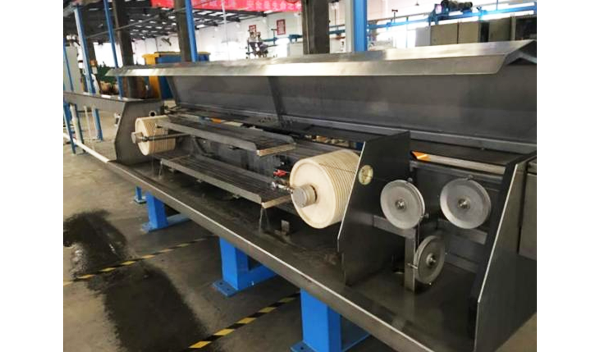
6. How We Manufacture, Inspect, and Deliver the Machine
For us, manufacturing starts before the machine enters the workshop. The first step is technical communication. We need to understand the customer's application, working environment, machine configuration, delivery destination, and other requirements.
Once the technical specifications and order details are confirmed, production can be arranged. Depending on the tractor model, configuration, customization requirements, and production schedule, our typical production and delivery cycle is generally 30–90 days.
This is not a universal fixed lead time. A customized machine can require a different schedule. We therefore confirm the actual delivery time with the customer before production begins.
Assembly
During assembly, different mechanical and functional components are brought together according to the agreed configuration. We pay attention to connections, structural assembly, operating components, and the relationship between the main machine and any additional equipment.
Inspection
Before delivery, each tractor is assembled, inspected, tested, and checked according to the agreed technical requirements. We believe this step is essential because a machine should not be treated as finished simply because the assembly work is complete.
Inspection is where we look for problems that could affect normal operation, transportation, or customer use.
Packaging
Packaging is selected according to the tractor structure and shipping conditions. Depending on the machine and destination, we may use protective film, steel frames, wooden cases, or other suitable packaging methods.
The purpose is straightforward: protect the machine from moisture, dust, impact, and unwanted movement during transportation.
International Transportation
For overseas orders, transportation can be arranged by sea, rail, or another suitable method depending on the destination, machine dimensions, and delivery requirements.
We discuss these details before shipment because transportation is part of the equipment delivery process. A well-built machine still needs proper protection on its way to the customer.
| Delivery Stage | Typical Arrangement | Customer Confirmation |
|---|---|---|
| Technical Discussion | Confirm application and machine configuration | Technical specifications and requirements |
| Production | Normally arranged after order confirmation | Production schedule |
| Assembly and Testing | Machine assembled and checked | Agreed technical requirements |
| Packaging | Protective film, steel frame, wooden case, or suitable method | Shipping conditions |
| Transportation | Sea, rail, or other suitable method | Destination and delivery requirements |
| Delivery | Machine shipped after required checks | Shipping documents and arrangements |
Source: Wuxi Shuochuan Electromechanical Equipment Manufacturing Co., Ltd. supplied production, inspection, payment, packaging, and transportation information.
7. Safety, Standards, and What Buyers Should Check
When purchasing agricultural equipment, we recommend looking beyond the product name. Buyers should confirm the intended application, machine configuration, operating environment, transportation conditions, and any applicable local regulations.
For agricultural tractors, international testing and standardization provide useful reference points. The OECD Standard Codes establish harmonized tractor testing procedures covering areas such as performance, driver protection, and noise. OECD test reports can include engine power and fuel consumption at the PTO, drawbar power and fuel consumption, hydraulic power, and three-point linkage lift capacity.
These tests do not mean every machine must have every feature or every test result. Instead, they show why professional agricultural equipment evaluation should consider more than one specification.
PTO-related safety is another example. ISO 500-1:2014 specifies general requirements for certain rear-mounted PTO types on agricultural tractors, including speeds, safety requirements, and dimensions related to the master shield and clearance zone. The standard was reviewed and confirmed in 2024 and remains current according to ISO.
For our customers, the practical lesson is simple: do not compare machines only by appearance or one advertised parameter. Ask about the complete configuration and make sure it matches the intended job.
8. Why Choose Wuxi Shuochuan?
Our background is slightly different from that of a traditional agricultural machinery company. Wuxi Shuochuan Electromechanical Equipment Manufacturing Co., Ltd. is an innovative technology enterprise integrating R&D, manufacturing, and sales.
Our main product lines include high-speed extruders, three-in-one BV extrusion automatic Production Lines, three-in-one plus one BVVB automated production lines, photovoltaic wire and Cable Production lines, automotive Wire Production lines, electronic Wire Production Lines, network communication wire production lines, Cable Production Lines, charging pile cable production lines, take-up and unwinding equipment, Auxiliary Equipment, and related raw materials.
Although these products serve different industries, they share something important with agricultural equipment: practical engineering matters.
We have obtained more than ten utility model patent certificates. We have also passed ISO 19001 quality management system certification according to our company information. Our approach is to combine technical development with manufacturing and customer communication rather than treating them as separate activities.
Our company spirit is “Quality First, Continuous Improvement, and Honest Service.” We take this sentence seriously because industrial equipment is usually purchased for a real production or working purpose. Customers need equipment that can be understood, configured, delivered, and used properly.
For the Spray-type Dual-Wheel Traction Machine for Agricultural Applications, we focus on the same basic principles.
We communicate the application before confirming the configuration.
We avoid presenting unconfirmed technical parameters as fixed specifications.
We assemble and inspect the machine before delivery.
We select packaging according to the machine and transportation conditions.
We discuss payment and delivery arrangements according to the contract.
We support customized requirements when they are technically suitable.
Payment terms can normally include a deposit with the balance paid before shipment, or another arrangement agreed by both parties in the contract.
For international customers, we also understand that communication needs to be clear. A machine order involves more than the machine itself. Technical details, delivery time, packaging, shipping, documentation, and payment all need to fit together.
9. Frequently Asked Questions
What is a Spray-type Dual-Wheel Traction Machine?
It is a wheeled traction machine designed for agricultural and outdoor applications, using a dual-wheel configuration and a spray-type setup for suitable spraying-related operations. The exact machine configuration depends on the customer's application and technical requirements.
What can this machine be used for?
It can be considered for farming, crop cultivation, field preparation, agricultural transportation, crop management, landscaping, municipal maintenance, and other suitable outdoor operations. Spraying applications depend on the final spraying system configuration.
Does every machine have the same spraying specifications?
No. We do not recommend assuming that every spray-type machine has the same tank capacity, pump pressure, spray width, nozzle arrangement, or control system. These details should be confirmed according to the final technical specification.
Can the machine be customized?
Customization can be discussed according to the tractor model, working conditions, application requirements, and production feasibility. We recommend confirming the technical requirements before placing the final order.
How long does production and delivery usually take?
Based on our supplied company information, the typical production and delivery cycle is generally 30–90 days after technical specifications and order details are confirmed. The actual schedule may vary depending on configuration, customization, and production conditions.
How do you inspect the machine before shipment?
Before delivery, the tractor is assembled, inspected, tested, and checked according to the agreed technical requirements. The purpose is to confirm proper operation before the machine leaves our facility.
How do you package the traction machine?
Packaging depends on the machine structure and transportation conditions. We may use protective film, steel frames, wooden cases, or other suitable packaging materials to help protect the equipment from moisture, dust, impact, and movement during transportation.
Can you arrange international transportation?
Yes. Depending on the destination, vehicle dimensions, and delivery requirements, transportation can be arranged by sea, rail, or another suitable method.
How should I choose the right configuration?
Start with the job rather than the specification sheet. Tell us what you want to do, where the machine will work, what type of agricultural operation is involved, and what spraying or traction functions are required. We can then discuss a suitable configuration.
Do you provide a fixed engine power or spray pressure for this product?
Not as a universal value. Engine power, spray pressure, tank capacity, spray width, and other parameters depend on the selected machine configuration. We prefer to confirm these values in the technical specification instead of providing numbers that may not apply to your machine.
10. Final Thoughts: Choosing a Machine That Fits the Work
After working with industrial equipment for years, we have learned that a useful machine does not need a complicated explanation. It needs to make sense when the customer looks at the actual job.
The Spray-type Dual-Wheel Traction Machine for Agricultural Applications is designed around this idea. It combines mobile traction with a spray-type configuration for suitable agricultural applications. The dual-wheel structure supports practical movement, while the final spraying system can be discussed according to the customer's actual requirements.
We do not believe that one machine configuration can solve every agricultural problem. Soil conditions are different. Farms are different. Crops are different. Operators are different. Transportation requirements are different.
That is why we prefer technical communication before production.
If you are looking for a dual-wheel Traction Machine for Farming, a spray-type agricultural traction machine, or a Spray-type Dual-Wheel Traction Machine for Agricultural Applications, we can discuss the working conditions and required configuration with you first.
Our goal is not simply to ship a machine. Our goal is to build equipment that matches the agreed application, complete the required inspection, protect it properly during transportation, and provide clear communication throughout the order.
That is the practical meaning behind our company spirit: Quality First, Continuous Improvement, and Honest Service.
For agricultural mechanization, the machine should serve the work—not the other way around.
Reference Sources
Food and Agriculture Organization of the United Nations (FAO), Agricultural Mechanization and Sustainable Agricultural Mechanization resources.
OECD, Standard Codes for the Official Testing of Agricultural and Forestry Tractors.
ISO 500-1:2014, Agricultural tractors — Rear-mounted power take-off types 1, 2, 3 and 4 — General specifications and safety requirements.



 WhatsApp
 Phone
Phone